A self-published book is one of the strongest authority tools a coach, consultant, or service provider can have. It shows potential clients how you think and work, builds trust before the first sales call, and keeps bringing in leads long after a social media post disappears.
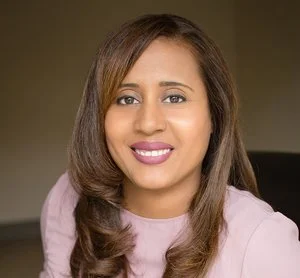
On this episode of the Simplify to Thrive podcast, I talked with Ashley Shepard, founder of Profitable Publishing. Ashley helps experts write, publish, and market books that align with their offers, qualify their leads, and generate four and five figures in preorder income.
Listen to the Audio Podcast Here:
Why does a book attract more clients than social media?
A book attracts clients because readers spend hours with you instead of seconds. That time builds a level of trust and familiarity that a social media post can't match.
Social media gives people a quick hit of dopamine. They like, save, or share a post and feel like they're making progress, then they scroll on. A book holds their attention. Whether they read it, listen to the audiobook, or hear your voice in their head as they read, they get to know how you think and how you operate.
Ashley explained that a well-written nonfiction book helps readers:
Understand your framework or strategy. Even a book under 100 pages gives readers a sustained look at how you get results.
See proof through case studies. Stories from past clients, or your own results, show your process works.
Get quick wins before they finish. Action items at the end of each chapter let readers apply what they learn right away.
Get to know your personality. Your stories and quirks make you relatable, which makes readers more likely to sign up for your services or programs.
Most people don't finish the books they buy. So when someone reads your book, or even part of it, and it resonates, you become the authority on that topic in their mind.
How long does it take to write a nonfiction book?
It can take as little as a weekend or as long as six months to a year. Ashley said the deciding factor is how much material you already have.
If you already have a framework or a process you take clients through, you have the bones of your book. A book that shares your framework and process builds on work you've already done.
Here are Ashley's tips for writing a nonfiction book faster:
Start from your framework. Use the system you already teach clients as your book's structure.
Repurpose your existing content. If you have a podcast, pull the transcripts. Blog posts, emails, and long-form content can become chapters.
Use voice-to-text. You talk faster than you type, and you can do it anywhere you have your phone.
Give your book one goal. The biggest mistake Ashley sees is trying to fit everything in. Decide on the one outcome you want your reader to reach. Your book doesn't need to hold your life's work, because you can always write another one.
The time it takes also depends on what you include. Case studies, action items, and stories all take time to gather and organize.
How do you launch a self-published book?
You launch a self-published book by building awareness before it comes out, not just pushing sales after it's released. Ashley said launching is the biggest thing authors think they're doing but actually aren't.
A real launch is a series of steps that lets people know your book is coming. Many independent authors focus only on "buy my book" posts once the book is out, and they miss the chance to build excitement beforehand.
An effective book launch includes:
Behind-the-scenes content. People are curious about what you're building. Share the writing process, cover design options, and snippets of the book.
Beta readers. Get feedback while you write instead of creating your book in isolation.
A street team. Invite early supporters to help share your book so the launch becomes a group effort.
Ashley shared a client story about this. While her client shared her book journey online, people she hadn't talked to in 20 years showed up in her comments, excited for the release. They weren't even her target audience. They had followed her process and wanted to support her.
A strong launch doesn't just help your opening sales. It helps your book sell for its whole lifetime.
How can preorders pay for your publishing costs?
Preorders let you sell your book before it's released, so the money from early buyers can cover editing, cover design, and formatting. Ashley calls this approach Pre-Order Profits.
She built it out of necessity. She released two books within three months during the pandemic, as a first-time mom who had just taken a $5,000 pay cut. She couldn't pay for publishing out of pocket, so she pre-sold her books instead. Her clients have since made from $500 to over $7,000 in preorders.
The process has three parts:
Grow your audience with your launch.
Pre-sell your book.
Use those sales to cover your publishing costs.
Choose a preorder platform that gives you customer data
Where you host your preorder matters. Ashley pointed out two problems with Amazon preorders:
You get paid late. Amazon pays for preorders two months after the preorder period ends. A six-month preorder means waiting eight months for that money.
You don't know who bought your book. Without buyer contact information, you can't grow your email list from those sales.
Instead, use a platform that lets you contact buyers by email or text. Then you can invite them onto your street team and turn readers into clients. Ashley calls this a book funnel: your book leads readers to your offers.
This is the heart of what Ashley calls profitable publishing. Your book should pay for itself and align with your offers. Making $5 in royalties is one thing. Making $500 because a reader signed up for your course is another.
Common self-publishing myths for nonfiction authors
Myth: You can't promote your book until it's finished. Ashley says this is one of the biggest things that holds authors back. You can share behind-the-scenes content, snippets, and the design process long before the book is in your hands.
Myth: You shouldn't collect money until the book is done. This hesitation usually comes from not knowing the publishing process. When you understand each step and your timeline, you can confidently take preorders and deliver on your word.
Myth: You need to fit everything you know into one book. Focus on one goal and one reader outcome. You can write more books later.
Myth: Nonfiction authors need to be on Substack. Ashley's answer is that it depends on your goals and your audience. Substack can help you build a writing habit, but your long-form content might fit better on your website or in a LinkedIn newsletter. And don't overlook email. Big companies still email daily because it works.
What's the first step to writing your book?
Do a brain dump this week. Write down every idea you have for your book, on paper or digitally. It doesn't need to be a first draft or fully fleshed out.
Once your ideas are written down, it's easier to sort them. Some will work better as podcast episodes. Some will become chapters. Some you've already written about in a blog post or email you can pull from. Getting started builds momentum, especially if you've been saying "I need to write a book" for months.
Frequently asked questions
Can a self-published book help coaches and consultants get clients? Yes. A book lets potential clients spend hours learning your framework, seeing your results, and getting to know you. That builds trust and authority, so readers are more likely to hire you.
How fast can I write a nonfiction book? If you already have a framework, content, or podcast transcripts to draw from, you can draft a book in as little as a weekend. Most authors take a few weeks to a year.
What is a preorder launch strategy? It's selling your book before it's released while you build awareness with behind-the-scenes content. Preorder sales can cover your publishing costs before the book comes out.
Should I use Amazon for book preorders? Amazon doesn't share buyer contact information and pays two months after your preorder ends. A platform that gives you customer data lets you grow your email list and connect readers with your offers.
Connect with Ashley Shepard
Website: https://www.preorderprofits.com/